
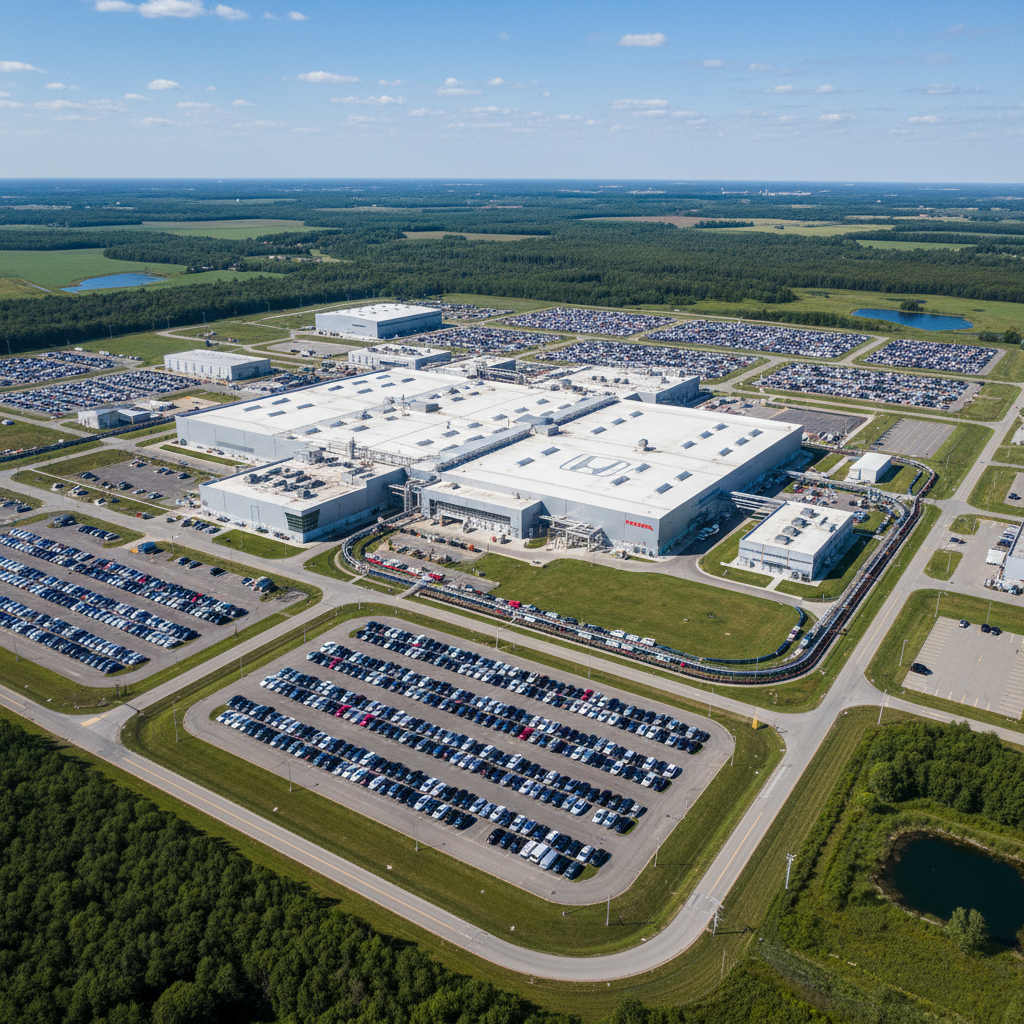
In automotive manufacturing, suppliers are organized in tiers based on how far they sit from the OEM. A Tier 1 supplier ships finished components directly to the OEM assembly plant. A Tier 2 supplier provides parts and sub-assemblies to the Tier 1. A Tier 3 supplier provides raw materials and basic components further down the chain. When the OEM raises a quality issue, responsibility does not stop at Tier 1: it flows down to whichever supplier caused the defect.
Automotive Supplier Tiers Explained
- Tier 1: ships complete components or systems directly to the OEM (for example, a seat or a bumper assembly)
- Tier 2: supplies parts to the Tier 1 (for example, the foam, brackets, or fasteners in that seat)
- Tier 3: supplies raw material and basic components (for example, steel, resin, or wire)
Who Is Responsible When the OEM Complains?
The OEM holds the Tier 1 accountable, because the Tier 1 owns the part number that reaches the plant. But if the defect came from a Tier 2 or Tier 3 component, the Tier 1 will pass the responsibility, and the cost, down the chain. This means a Tier 2 or Tier 3 supplier can suddenly be responsible for containment at an assembly plant it has never set foot in.
The Tier 2 and Tier 3 Visibility Problem
Lower-tier suppliers face a hard reality: they are responsible for quality at the OEM plant, but they have no presence there. They receive information second-hand, hours or days late, and often cannot see the actual parts, the boundary samples, or the plant conditions. By the time they react, the concern has already escalated.
- No direct line to OEM plant quality personnel
- Delayed, filtered information passed through the Tier 1
- No one on-site to confirm the defect or start containment
- High risk of escalation, controlled shipping, and scorecard damage
How Lower-Tier Suppliers Get Represented at the Plant
This is exactly the gap a quality liaison fills. IDS places an on-site representative at the OEM plant on behalf of a Tier 2 or Tier 3 supplier, so the supplier finally has eyes on the parts, a voice in plant meetings, and a professional managing containment and communication. For a supplier that ships into Ontario from another province or overseas, this on-site presence is not a luxury: it is the only way to protect the relationship.
Key takeaway: OEM quality responsibility flows down the supply chain, but visibility does not. A quality liaison gives Tier 2 and Tier 3 suppliers the on-site presence they need to protect their scorecard and their business.
Frequently Asked Questions
Can a Tier 2 supplier be charged for an OEM line-down?
Yes. If the Tier 2 component caused the concern, the Tier 1 will typically pass through line-down charges, sort costs, and premium freight. A fast on-site response is the best way to limit that exposure.
Does IDS work directly with Tier 2 and Tier 3 suppliers?
Yes. IDS represents Tier 1, Tier 2, and Tier 3 suppliers at Ontario OEM plants, whether the supplier is based in Ontario, elsewhere in Canada, or overseas.